DOMINOX guide
Before you open a refrigerant line
An old refrigerator or a window unit has no service port. To empty it you have to pierce a line, and what comes out may not go into the air. The rule comes first, then the tool.
By the DOMINOX team · sources read 1 October 2026
The rule
The Environmental Protection Agency states the ban in one sentence on its page for stationary equipment.
EPA regulations (40 CFR Part 82, Subpart F) under Section 608 of the Clean Air Act prohibit individuals from intentionally venting ozone-depleting substances (ODS) or their substitutes while maintaining, servicing, repairing, or disposing of air-conditioning or refrigeration equipment.
The same page allows small releases made in good faith while you connect and disconnect hoses. Cutting a line and letting it hiss is not one of them.
What a recovery plier does
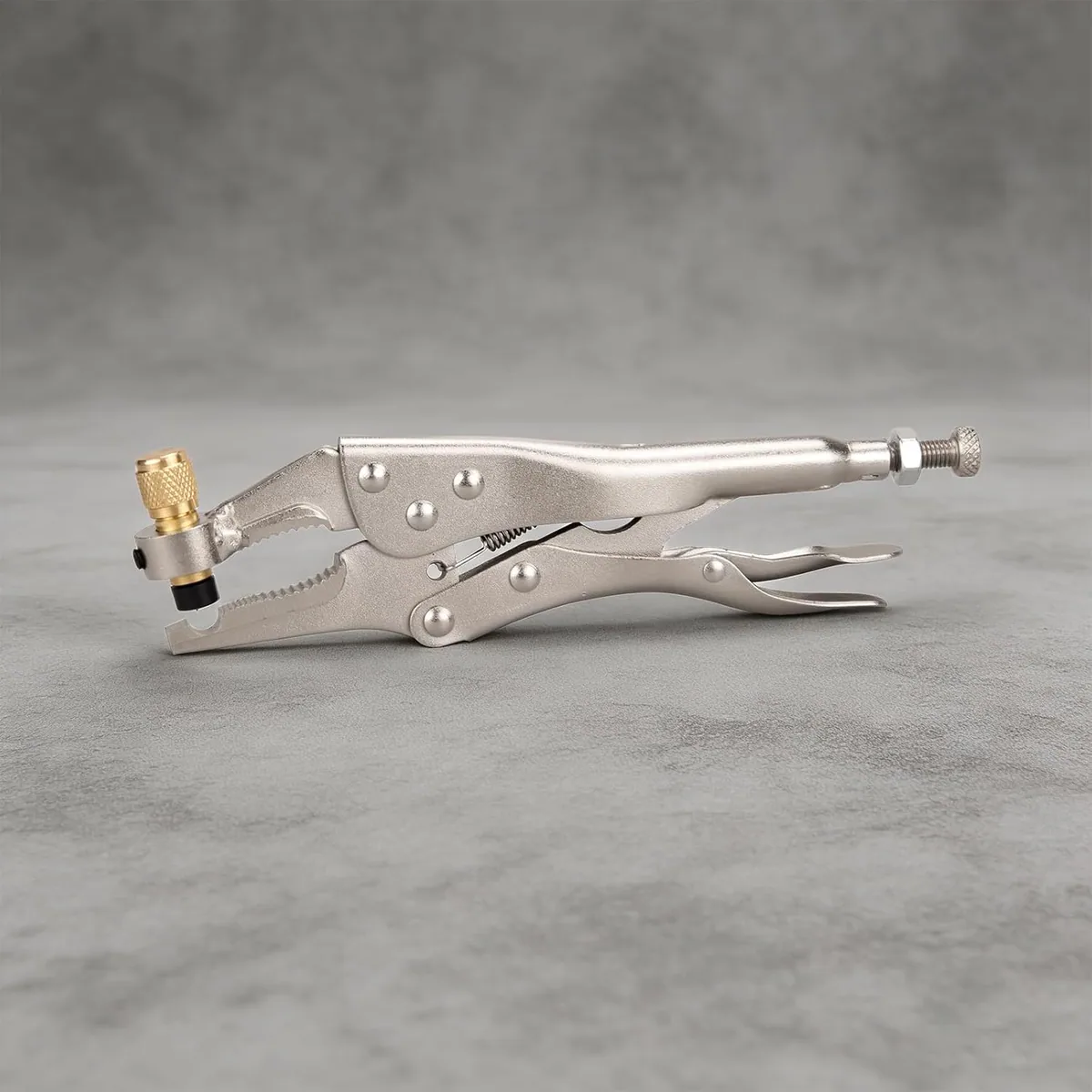
The plier locks onto the copper line. A needle pierces the wall and a seal closes around it. The charge then leaves through the port on the plier into the hose of a recovery machine, which pumps it into a cylinder.
-
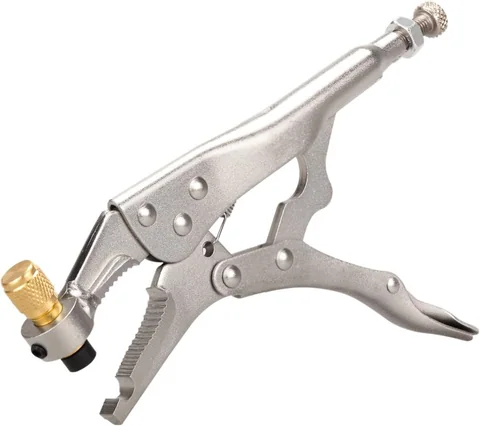
CT-308
CT-308 Refrigerant Recovery Plier
Clamps on a sealed copper line and pierces it, so the charge goes to your recovery machine.
4-8mm
What you need besides the plier
- A recovery machine and a recovery cylinder rated for the refrigerant.
- Hoses with 1/4 inch fittings.
- The training the law asks of anyone who services this equipment.
- A plan for the unit afterwards. The pierced line is scrap.
Line sizes our tools take
| Feature | Tube it takes |
|---|---|
| CT-308 recovery plier | 4 to 8 mm |
| JJ1322 mini cutter | 1/8 to 7/8 in |
| CT-369 bender | 3/16 to 3/8 in |
-
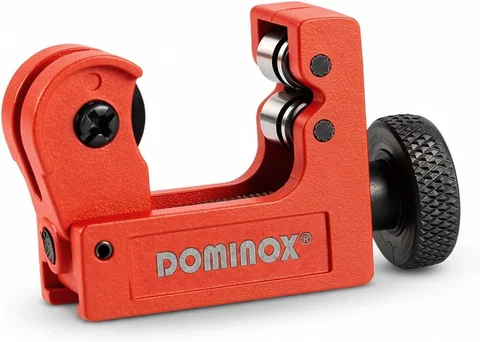
JJ1322
JJ1322 Mini Tube Cutter, 1/8 to 7/8 in
A cutter the size of a matchbox for tubing you can barely reach.
1/8-7/8in
If this is not your trade
- Do not buy the plier to empty one old fridge. Call a service company or your town's appliance pickup.
- The plier seals while it is locked. Take it off and the line is open.
- We cannot tell you which refrigerant is in your unit. The nameplate can.
- State and local rules can be stricter than the federal one.
Sources we read
- US Environmental Protection Agency: Stationary Refrigeration: Prohibition on Venting Refrigerants. Read 1 October 2026.
More guides
- Copper: cut, ream, heat: A square cut, a clean edge, then the flame.
- Torch work near wood: Move it, shield it, and keep an extinguisher in reach.